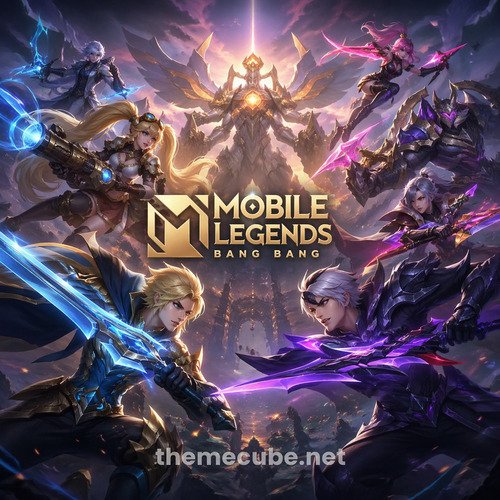
themecube.net – In competitive multiplayer games, understanding heroes is not just about knowing their skills, but also about mastering how they fit into team composition, map control, and overall match tempo. In Mobile Legends: Bang Bang, every hero carries a specific identity that shapes how a match unfolds—from early skirmishes to late-game team fights. Success is rarely about individual mechanics alone; it is about reading the battlefield, adapting to roles, and executing synergy with teammates.
This article explores how heroes function, how roles interact, and how strategic thinking turns ordinary gameplay into consistent victories.
Roles and Core Hero Archetypes in Mobile Legends
Every match in Mobile Legends revolves around hero roles that define responsibilities. While mechanics matter, understanding archetypes is what allows players to make smarter decisions in drafting, positioning, and combat execution.
Tank heroes are the backbone of team fights. Their primary purpose is not dealing damage but absorbing pressure and creating space for damage dealers. Heroes such as Tigreal (a durable initiator known for crowd control) excel at starting fights by pulling enemies together and disrupting formations.
A strong tank does more than soak damage; they control vision, check bushes, and protect fragile allies. In coordinated gameplay, tanks often decide when a fight begins. A poorly timed engage can lose a match, while a perfectly executed initiation can wipe an enemy team instantly. The best tank players constantly track enemy ultimates, position themselves between threats and allies, and anticipate when opponents are vulnerable.
In higher-level play, tanks also become shot-callers in practice, guiding rotations and objective contests. Their presence alone forces enemies to respect positioning, creating psychological pressure that shapes how both teams move across the map.
Assassin Burst and Pick-off Heroes
Assassin heroes thrive in chaos and isolation. Characters like Gusion (a high-mechanic burst assassin) specialize in eliminating priority targets such as marksmen or mages before they can react. Unlike tanks, assassins rely on timing, precision, and map awareness rather than durability.
The core identity of assassins is opportunity creation. They wait for enemies to misposition, overextend, or waste key abilities. Once a window appears, they strike quickly and retreat before retaliation. This hit-and-run style makes them extremely powerful in solo queue environments where coordination is inconsistent.
However, assassins are also highly punishing to play. Poor entry timing or missed skill rotations often results in immediate elimination. Therefore, mastering assassins requires not just mechanical skill, but also patience and discipline in decision-making. Knowing when not to engage is often more important than knowing how to execute a combo.
Marksman, Mage, and Scaling Damage Roles
Damage-dealing heroes form the win condition of most teams. Marksmen such as Miya (a late-game sustained damage dealer) become increasingly powerful as items accumulate. Their role is to safely deal consistent damage from the backline while avoiding threats.
Mages, on the other hand, provide burst damage, crowd control, and zoning capabilities. They often control the mid lane and influence early rotations. While marksmen scale into late game, mages tend to dominate mid-game tempo.
The synergy between these roles is critical. Without proper protection, marksmen cannot output damage. Without mage control, teams lose map pressure. Together, they form the core damage engine that determines whether a team can close out fights efficiently.
Understanding Lane Dynamics and Hero Selection Strategy
Beyond individual roles, success in Mobile Legends depends heavily on lane assignments and how heroes interact with map pressure. Each lane has unique responsibilities that shape the flow of the game.
The EXP lane is typically occupied by durable fighters who can survive long trades and maintain pressure without constant support. Heroes in this lane often include sustain-based or bruiser-type characters who can duel effectively.
In this role, the goal is not just survival but gradual dominance. Winning EXP lane means controlling level advantage and becoming a secondary frontline in mid-to-late game fights. EXP laners often transition into semi-tanks or damage dealers depending on team needs.
A strong EXP laner understands wave control deeply. Freezing lanes, rotating at the right timing, and contesting neutral objectives like Turtle are essential skills. Poor EXP management can lead to map imbalance, giving enemies early control of key objectives.
Mid Lane Mages and Map Control
Mid lane is the center of influence. Mages in this position are responsible for clearing waves quickly and rotating to support side lanes. Because of their central positioning, they often dictate early-game tempo.
Mid heroes typically have strong wave clear and crowd control abilities. This allows them to rotate faster than other roles, assisting in jungle skirmishes or river fights. A skilled mid laner does not just stay in lane—they constantly scan the map for opportunities to influence other areas.
Map awareness is the defining trait of a great mid player. Missing rotations or delaying movement can cost entire objectives. Conversely, timely rotations can snowball early advantages into decisive leads.
Gold Lane and Late-Game Carry Optimization
The gold lane is reserved for scaling heroes, primarily marksmen or high-scaling damage dealers. The focus here is farming efficiency and survival. Unlike EXP lane, where trading is frequent, gold lane prioritizes steady growth and item progression.
Positioning is everything. One mistake can result in losing farm momentum or being shut down by enemy ganks. Successful gold laners understand wave timing, jungle vision, and enemy rotation patterns.
By late game, gold lane heroes become the primary damage source. Protecting them becomes a priority for the entire team. Proper spacing and patience allow them to output sustained damage that melts through enemy frontlines.
Winning in Mobile Legends is ultimately determined by how well heroes work together in team fights. Individual strength matters, but synergy determines victory.
Initiation and Crowd Control Chains
Team fights often begin with initiation. Tanks or setup-based heroes create openings by disrupting enemy formations. Once control is established, follow-up abilities from mages and assassins can chain damage effectively.
Crowd control chaining is one of the most powerful mechanics in the game. When executed properly, enemies are locked in place long enough to be eliminated without retaliation. However, poor coordination leads to wasted ultimates and failed engagements.
Understanding initiation timing is crucial. Engaging too early without backup results in isolation, while engaging too late allows enemies to reposition. The best teams synchronize initiation with cooldown tracking and vision control.
Timing Burst Combos and Target Priority
Not all targets in a fight are equal. High-value heroes such as marksmen and mages must be eliminated first. Assassins and divers often focus on backline disruption, while tanks absorb frontline pressure.
Burst timing is equally important. Using abilities too early may waste damage on tanky targets, while delaying too long can result in losing key opportunities. High-level gameplay revolves around identifying the exact moment when enemies expend defensive cooldowns.
Heroes like Gusion (burst assassin) excel in executing precise combos during these short windows, instantly shifting the outcome of fights when played correctly.
Rotations, Vision, and Objective Control
Beyond combat, macro play defines long-term success. Rotations between lanes, jungle control, and objective management are essential skills.
Vision control allows teams to safely contest objectives such as Turtle and Lord. Without proper vision, even strong teams can be ambushed and lose control of the map. Rotations must always align with objective timers and lane pressure.
A well-coordinated team does not chase kills unnecessarily; instead, it converts small advantages into objectives. This disciplined approach is what separates casual play from competitive-level understanding.
Conclusion Mastering Heroes in Mobile Legends: Roles, Strategy, and Advanced Gameplay Guide
Heroes in Mobile Legends: Bang Bang are far more than individual characters with unique abilities. They are interconnected systems within a larger strategic ecosystem where roles, timing, and synergy determine victory. Tanks create space, assassins exploit openings, and marksmen or mages convert advantages into damage output.
Understanding lane dynamics adds another layer of depth, turning each position into a specialized responsibility that contributes to overall team success. Meanwhile, advanced teamfight execution—through initiation, targeting, and rotation control—elevates gameplay from basic mechanics to strategic mastery.
Ultimately, winning is not about playing one hero perfectly, but about understanding how every hero fits into a larger plan. When players learn to think beyond individual performance and focus on coordination, Mobile Legends transforms from a simple game into a deeply strategic battlefield where every decision matters.